Mastering Martial Arts: The Power of Japanese Sandals

Martial arts is not just about the techniques and skills you learn; it also involves the gear you choose to wear. Among the various types of footwear, Japanese sandals, or geta, have gained popularity for their unique design and cultural significance. In this post, we will explore how these sandals can enhance your martial arts practice, their historical context, and practical tips for incorporating them into your training.
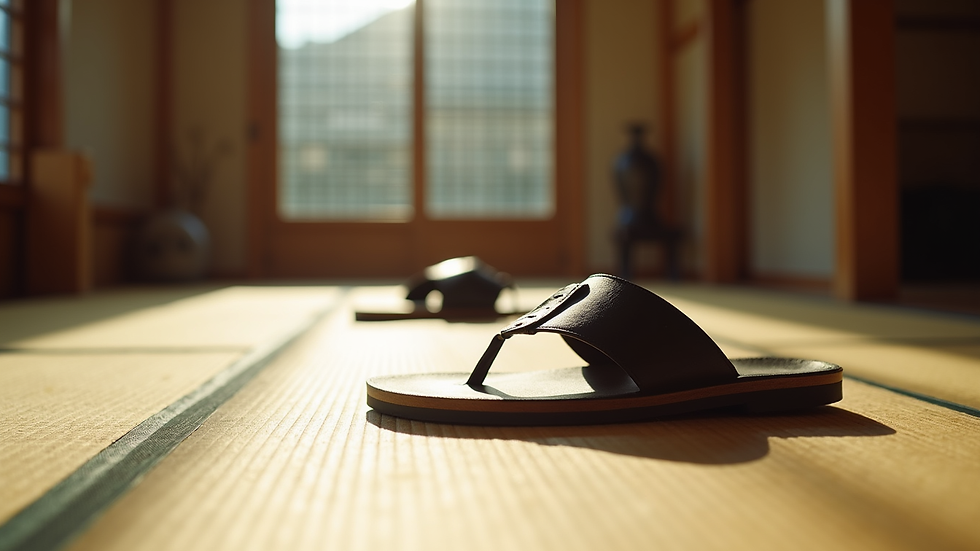
Understanding Japanese Sandals
Japanese sandals come in various styles, but the most recognized are geta and zori.
Geta
Geta are elevated sandals made from wood, featuring a thong that secures the foot. They are traditionally worn with a kimono and are designed to keep the wearer above wet or muddy ground.
Key Features of Geta:
Elevated Design: The height of the wooden base allows for better airflow and keeps the feet dry.
Durability: Made from sturdy materials, they can withstand various terrains.
Cultural Significance: Wearing geta connects practitioners to Japanese traditions and aesthetics.
Zori
Zori are flat sandals made from rice straw or synthetic materials. They are often worn with more casual attire and are known for their comfort.
Key Features of Zori:
Comfortable Fit: The flat design allows for easy movement.
Versatility: Suitable for both indoor and outdoor use.
Lightweight: Easy to carry and wear, making them ideal for martial arts training.
The Benefits of Wearing Japanese Sandals in Martial Arts
Incorporating Japanese sandals into your martial arts practice can offer several benefits:
Improved Footwork
Wearing sandals like geta can enhance your footwork. The elevated design encourages you to lift your feet higher, promoting agility and speed. This can be particularly beneficial in martial arts styles that emphasize quick movements, such as karate or judo.
Enhanced Balance
The unique structure of geta requires you to engage your core and maintain balance. This can help improve your overall stability, which is crucial in martial arts. Practicing in sandals can train your body to adapt to different surfaces and conditions.
Cultural Connection
Using traditional footwear like geta or zori can deepen your connection to the martial arts' cultural roots. It fosters a sense of respect for the history and philosophy behind the practice, enriching your training experience.
Practical Tips for Using Japanese Sandals in Training
If you're considering incorporating Japanese sandals into your martial arts practice, here are some practical tips:
Choose the Right Type
Select the type of sandal that best suits your training style. If you focus on agility and speed, geta may be the better choice. For more relaxed training sessions, zori can provide comfort and ease of movement.
Start Slow
If you're new to wearing sandals during training, start with short sessions. Gradually increase the duration as you become accustomed to the footwear. This will help prevent discomfort and allow your feet to adapt.
Focus on Technique
When training in sandals, pay attention to your foot placement and technique. The different feel of the sandals can alter your movements, so be mindful of how you execute kicks, stances, and footwork.
Maintain Your Sandals
Keep your sandals in good condition to ensure they provide the best support. Regularly check for wear and tear, and clean them to maintain their appearance and functionality.
The Cultural Significance of Japanese Sandals
Understanding the cultural context of Japanese sandals can enhance your appreciation for them.
Historical Background
Japanese sandals have been worn for centuries, with origins tracing back to ancient Japan. They were initially designed for practical purposes, such as keeping feet dry and clean. Over time, they became a symbol of Japanese culture and aesthetics.
Symbol of Respect
In martial arts, wearing traditional footwear can symbolize respect for the art form and its history. It shows a commitment to understanding the roots of your practice and honoring the traditions that have shaped it.
Conclusion
Incorporating Japanese sandals into your martial arts training can offer numerous benefits, from improved footwork to a deeper cultural connection. By choosing the right type of sandal and focusing on your technique, you can enhance your practice while paying homage to the rich history of martial arts.
As you explore this unique footwear, remember that martial arts is not just about physical skills; it’s also about the journey of learning and growth. Embrace the power of Japanese sandals and elevate your martial arts experience.
Comments